
INABANGA, Bohol — Pastor Albert Taraya, who lost his sight to an eye illness and now serves as the district leader of the Northwestern Bohol District, kicked off an inaugural three-part NonVisual Desktop Access (NVDA) Screen Reader Training series on November 2.
Hosted at the Morning Star Christian Learning Center (MSCLC) in Inabanga, Bohol, the province-wide program drew over 25 delegates eager to learn the screen-reading software.
The attendees were primarily local Adventist Possibility Ministries coordinators, educators, district pastors, and church members—all driven by a willingness to understand the language of the visually impaired so they can reach them more effectively.
Participants arrived with Windows laptops, which are required to run the open-source program that allows visually impaired individuals to navigate computers using keyboard inputs and audio feedback.
The curriculum is structured across three separate sessions to ensure comprehensive learning. After the opening class, the remaining sessions are scheduled for November 30 and conclude on December 6. After completing the three-level series, all learners will receive a certificate of completion to formally recognize their new proficiency in assistive technology.
Taraya emphasized that the training will empower the church to better serve people with visual impairments. “These skills will serve as an avenue to reach out to one of the seven groups identified by the APM: the blind or those with low vision,” he said.
The opening session introduced the basics of NVDA Screen Reader Training, which empowers visually impaired individuals to navigate computers independently using keyboard commands and audio feedback.
During the basic NVDA training session, participants learned foundational skills and keyboard commands that replace the need for a computer mouse. The curriculum started with the basics, teaching attendees how to turn a computer on and off independently.
From there, they learned how to configure the essential NVDA modifier key—typically Insert or Caps Lock—to trigger specific commands, and how to use the Control key to instantly pause the audio feedback.
Participants practiced a range of practical daily tasks, including using shortcuts to check the current time,reading documents line by line, navigating the Windows desktop, and rapidly scanning websites by jumping between headings and links. Additionally, learners set up the typing echo feature to hear letters and words spoken aloud, ensuring accuracy as they type.
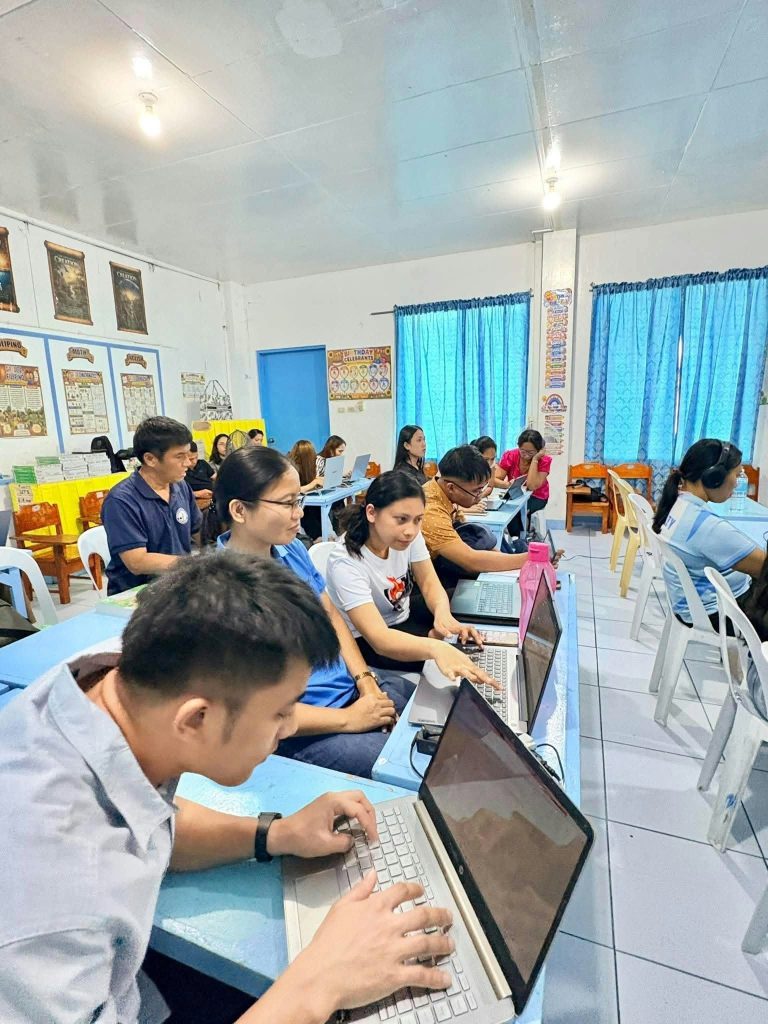
For educators like Emma Jabutay, a faculty member at the Ubay Seventh-day Adventist Elementary School, the hands-on experience was a revelation. Expressing her gratitude for the session, she shared how the training shifted her perspective on digital accessibility.
“I am so amazed by the curriculum,” she said. “Who would have thought that ordinary keys on a Windows laptop are actually wonderful commands that visually impaired individuals can use to navigate the digital world?”
Eva Janet Bitol, another educator and event participant, also shared how the training benefited her and her co-trainers. “I may have taken notes, but I am more eager to know the extent of this learning. We are just starting, and I know there will be more to learn in the next sessions.”
Ana Liza Facon, education director and APM coordinator for the Adventist Church in the East Central Philippines, and Pastor Isaias Guisando, education director and APM coordinator for the Adventist Church in Central Visayas, said that a training program of this nature had long been envisioned for the church in the East Central Philippines. However, the initiative became a reality only after Pastor Taraya’s assignment to the Bohol district.
“We really thank Pastor Taraya for sharing his talent and skill for the ministry,” Facon said. “We pray that many will be reached out to after this training.”
As the APM coordinator, Facon aims for participants to remember that all are gifted, needed, and treasured. That together, we can build a church where accessibility is embraced, and no one is left behind. “Every skill you learn today can become an opportunity to change someone’s life tomorrow.”
Guisando expressed deep appreciation for Taraya’s dedication to transforming his physical challenges into a blessing for others facing similar struggles. Impressed by Taraya’s mastery of NVDA, Guisando can already envision the initiative’s broad impact. “He is truly inspiring, and we hope to organize larger training sessions like this soon,” Guisando said. “This way, we can give hope to people who are burdened by a sense of inadequacy.”
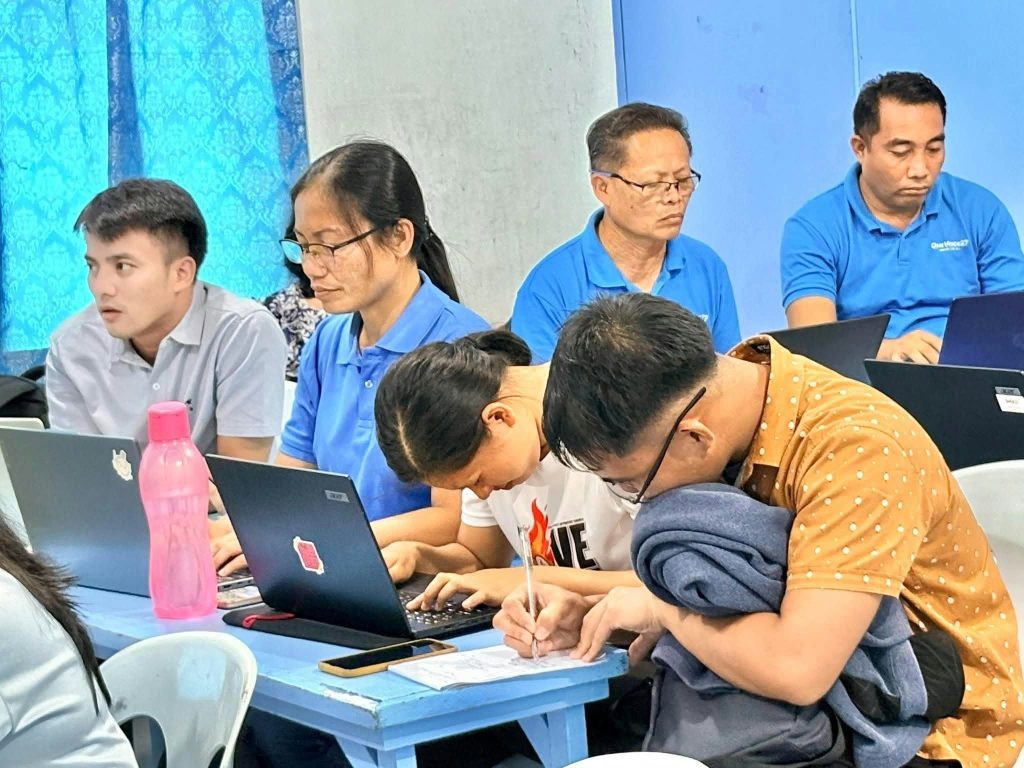
With a strong foundation laid in the opening class, the delegates are eager to master more advanced screen-reading techniques in the coming weeks. At the end of the series, participants will receive their certificates of completion—stepping out not just as trained individuals, but as fully equipped advocates ready to bring digital independence to the blind and low-vision community in Bohol and use it to tell them about Jesus.
By Lyn Lucero ⎸ East Central Philippine Union Conference Communications